

Recent posts
Writing with Authority
Beginning college Will often be very intimidating.. In high school, you may have known exactly what your teachers wanted. Five paragraphs. A clear thesis. Some quotes. Done. But in college, the expectations suddenly feel Sporadic and unknown.. One professor wants deep analysis. Another emphasizes research. Another says your writing “lacks authority.”
So what does that even mean?
The truth is, college writing is not about sounding smarter. It’s about learning how to enter a new discourse community and contribute to it with confidence.
College Is a Collection of Discourse Communities
According to the writer Dan Melzer, every academic field is a discourse community. A discourse community is a group of people who share common goals, languages, phrases, and standards for communication. In other words, Students write differently from teachers, and teachers solve problems differently from students.
Many first-year students struggle not because they are “bad writers,” but because they don’t yet understand the expectations of the community they are entering.
Before you start college writing, make sure you cater to the discourse community you’re in. What does the professor value? What genre are you writing about? Authority only comes when you understand your community
Writing without losing yourself
One of the biggest concerns college students have is losing their voice. It’s a common misconception in college writing that you no longer have your own say. It makes sense that some students would believe this because of the formatting and the rules of college writing. But in reality, Academic Writing is more about learning control.
Whitney suggests that students must learn to see voice as something constructed within context. That means your authority develops as you:
You should understand the expectations of academic writing. You need to make proper rhetorical choices. Integrate the evidence you found. And always go back and revise. This will give you authority in your writing—that way you can have. Clear claims. Sound logical? Have a controlled tone while reading. And the reader will see that your evidence has purpose. The last thing you want is for your writing. To be dramatic, have an Exuberant vocabulary that is used incorrectly.
Strategies and Resources to Use While Writing and Revising
When you start to write at a college level, make sure you. Have a clear message. And make sure not to worry about how complex something can be. Lots of new students think. Academic writing requires. Complexity, but. All it needs is a strong and clear message.
While revising, try a reverse outline. After completing a draft, write the main idea of each paragraph in the margin. Do those ideas clearly support your thesis? If not, revise for focus.
One thing you can do. Have you read the paper to yourself? If you write and never read it. You might miss something you wouldn’t have caught. It can show you awkward phrasings—or run-on sentences. Suppose you don’t understand your reading. Then how will your audience understand it?
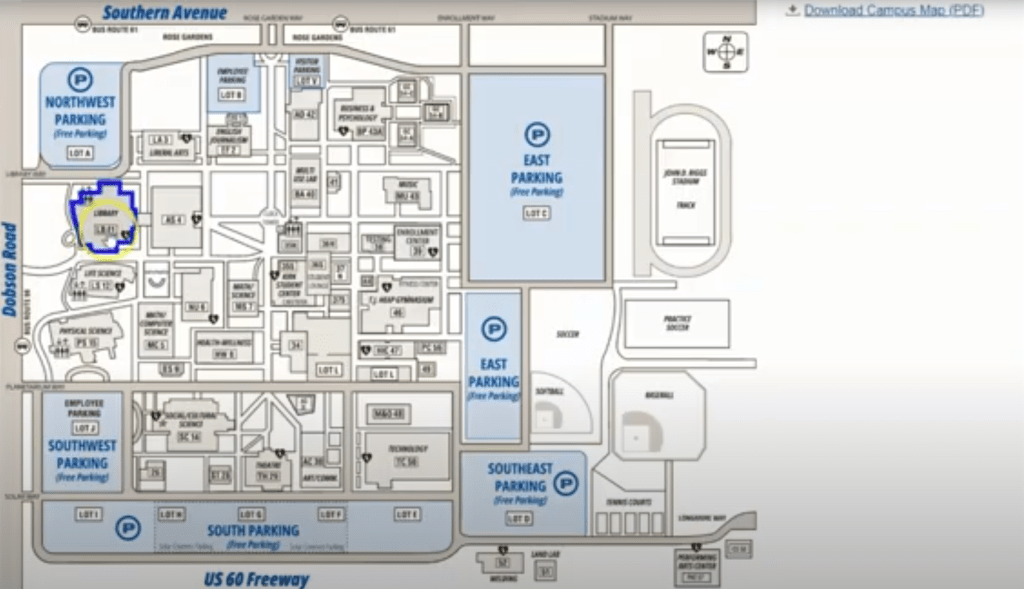
Some of the best resources you can use are in person on campus, for example, the Reading and WritingCentrer. It’s an amazing place—a community of like-minded writers, including upper-level students who can help you with confusing projects. Brainstorm ideas with you. You should never be afraid to use. Campus Resources. They are only there to help you.
Another example of this is talking to your teacher. Most professors teach because they love it. What do they do? And helping you improve your writing would fall under that.
Overall
My Thoughts
Starting college can be extremely intimidating. You are entering a new community or classroom. It is filled with experience. And it might be. Scary. But you need to realize that. Discourse communities rely on new members. Not only to improve it, but to add change and culture. No one expects you to be an expert on any subject in your first year of college. I want you to learn. And do your best. Make sure you read carefully and think critically. Engage. And revise and learn.
Authority happens. Over time, though. The more you understand. How genres and group goals work, and the expectations of the people around you. The more often you’ll have the same ideas and positions on topics in your. A voice will become stronger in that discourse community. You need to remember college. It’s not always about. Catering to your professor. What’s interesting about how to participate and grow? And have your voice heard? In your discourse community.
Check List
My 16 steps I recommend for successes in your discord community
- Clear claims
- Balanced confidence
- Guiding sources
- Not disappearing behind quotes
- Analyze assignment sheet
- Identify discipline
- Look at model essays
- Ask: What kind of thinking is required?
- Make a clear claim early
- Integrate quotes smoothly
- Explain evidence
- Anticipate counterarguments
- Reverse outline
- Highlight your thesis
- Check for over-hedging
- Visit writing center
Works Cited
Melzer, Dan. Understanding Discourse Communities. Writing Spaces, 2020.
Whitney, Anne Elrod. “I Just Turned In What I Thought: Authority and Voice in Student Writing.” Teaching English in the Two-Year College, 2011.
 First steps in college